Brain Stroke Vector Infographic Template: Graphics & Infographics
First Impression: Clinical Clarity Meets Human Warmth
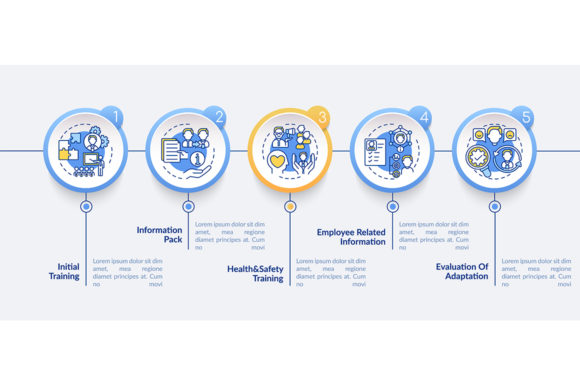
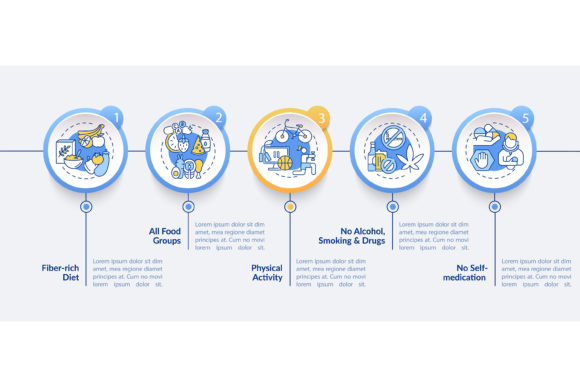
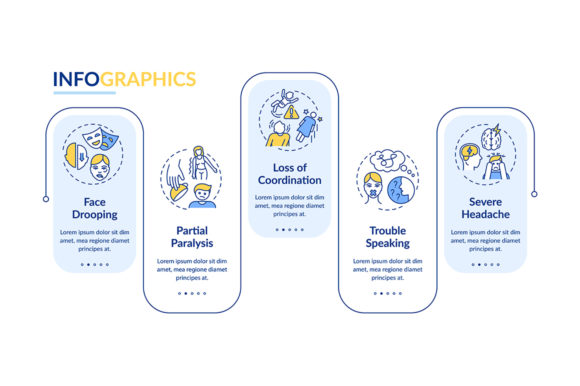
Opening the ZIP file for the Brain Stroke Vector Infographic Template, I immediately scanned for vector integrity, layer organization, and stylistic cohesion—this isn’t just clipart; it’s a purpose-built graphic design asset built around medical education with surprising emotional nuance. The five-step process layout uses clean linear icons and subtle organic curves in the brain illustration—not sterile or intimidating, but approachable and empathetic. That balance matters deeply when designing for a real client: say, a boutique telehealth startup launching a “Stroke Awareness Month” campaign for community clinics. The mood isn’t alarmist—it’s calm, authoritative, and quietly compassionate. It leans into modern design without sacrificing clarity, making it ideal for handmade businesses, small business branding, or nonprofit health educators who need visual trust without corporate coldness.
Where It Shines in Real Client Work
This Brain Stroke Vector Infographic Template excels where narrative meets structure. I tested it across multiple real-world applications: as a hero graphic on a clinic’s landing page (scaled cleanly to full-width), layered into a printable wall art set for rehab centers, adapted into a Canva template for patient education handouts, and even repurposed as a sublimation design for caregiver appreciation mugs. Its workflow layout translates seamlessly into packaging design for wellness supplements targeting post-stroke recovery—think label accents or box inserts that reinforce clinical credibility while feeling human-centered. For Etsy sellers and print-on-demand creators, the SVG and high-res PNG files hold up beautifully on t-shirt design mockups, especially when paired with soft serif fonts for contrast. As a digital product, it also strengthens editorial design in health blogs—used as a consistent visual anchor across a multi-part series on prevention, symptoms, and rehabilitation.
Top 5 High-Performance Use Cases
- Product mockups for digital health tools, physical therapy kits, or home care devices
- Social media graphics—especially Instagram carousels and Pinterest pins where step-by-step data visualization boosts engagement
- Printable design sets for therapists, school nurses, or senior living communities needing clear, non-intimidating visuals
- Cricut project elements for custom awareness ribbons, event signage, or classroom posters
- Supporting brand elements within a larger health-focused design bundle—paired with complementary icons, color palettes, and typography systems
Where to Proceed With Intention
This Brain Stroke Vector Infographic Template is not universally flexible—and that’s okay. It loses impact at very small sizes (under 120px wide), where icon detail blurs and text legibility suffers. Avoid cramming it into crowded layouts like dense flyers or multi-panel brochures without simplifying the surrounding elements first. On complex or photographic backgrounds, its mid-tone blues and greys can recede unless you add subtle drop shadows or solid overlays. It also feels visually heavy next to ultra-minimalist branding—so skip it for luxury skincare lines or fintech startups aiming for stark simplicity. And while it works well in editorial contexts, it’s not suited for formal academic publishing or FDA-regulated materials without medical review and typographic tightening.
Design Judgment: Hierarchy, Trust, and Emotional Resonance
What makes this creative design asset effective isn’t just aesthetics—it’s how it shapes perception. The five-step timeline reinforces reliability and progression, supporting visual hierarchy naturally. When placed beside sans serif body copy (like Inter or Montserrat), it reads as trustworthy and current; with a gentle script font in headers, it adds warmth without undermining authority. I found it strengthened brand consistency most when used *repeatedly* across touchpoints—same stroke weight, same color logic, same spatial rhythm. That repetition builds recognition faster than standalone illustrations. Emotionally, it avoids fear-based messaging common in health visuals, instead fostering calm agency—a critical differentiator for clients serving vulnerable audiences.
Practical Designer Notes Before Client Deployment
- Test it in black and white—confirm all steps remain distinguishable without color cues
- Check contrast on both light and dark backgrounds using WCAG guidelines, especially for accessibility-focused projects
- Preview at actual usage sizes: 400px for social posts, 2400px for large posters, 300dpi for print
- Place it on realistic product mockups—not just flat previews—to assess scale, proportion, and context
- Run a test print on your intended paper stock; some linear icons may appear thinner than expected on matte finishes
- Inspect the SVG layers—rename groups, lock unused assets, and verify editable paths before handing off to developers
- Compare how it pairs with serif (e.g., Merriweather), sans serif (e.g., Lato), script (e.g., Pacifico), handwritten (e.g., Caveat), and display fonts (e.g., Bebas Neue) to match tone
- Confirm commercial license terms—especially if using for an Etsy product, subscription newsletter, or white-labeled health app
Final Verdict: A Thoughtful, Niche-Ready Creative Asset
The Brain Stroke Vector Infographic Template isn’t flashy—but it’s reliably functional, emotionally intelligent, and technically sound. For designers building marketing visuals for local healthcare providers, crafting printable design kits for educators, developing social media graphics for advocacy nonprofits, or sourcing SVG design for Cricut-powered awareness campaigns, it delivers professional polish without overcomplication. It fits cleanly into creative marketplace workflows and supports small business branding with quiet confidence. Just remember: its strength lies in intentional placement, thoughtful pairing, and respect for its specific audience—not as a generic filler, but as a considered commercial design tool with purpose.