Implants Types Vector Infographic: Graphics & Infographics
First Impression: Clinical Clarity Meets Warm, Human-Centered Design
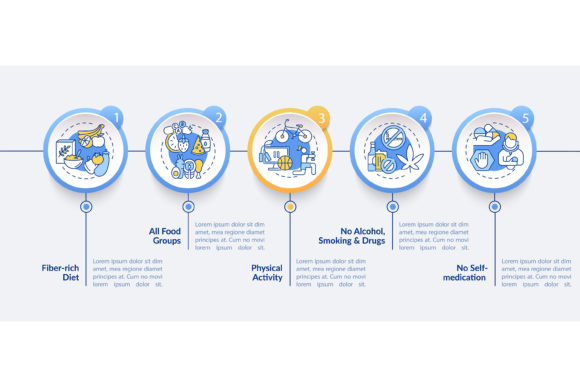
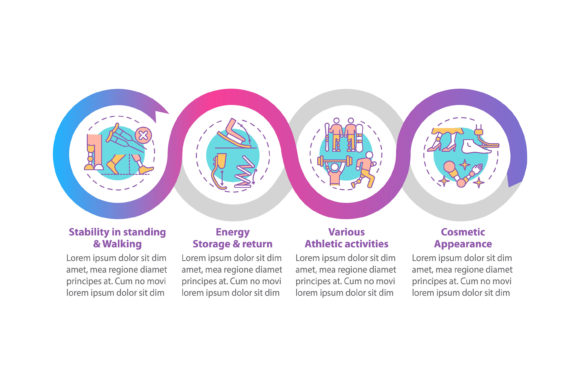
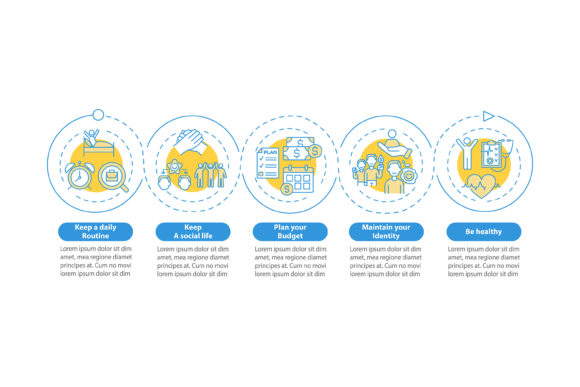
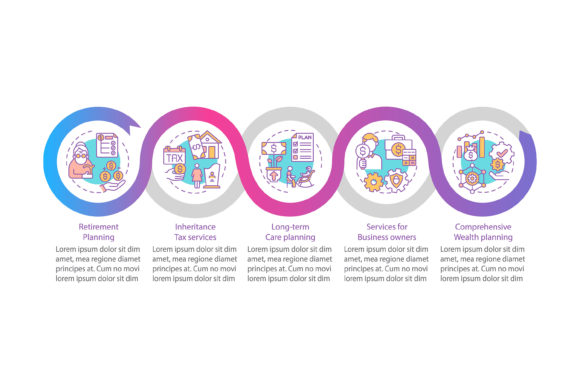
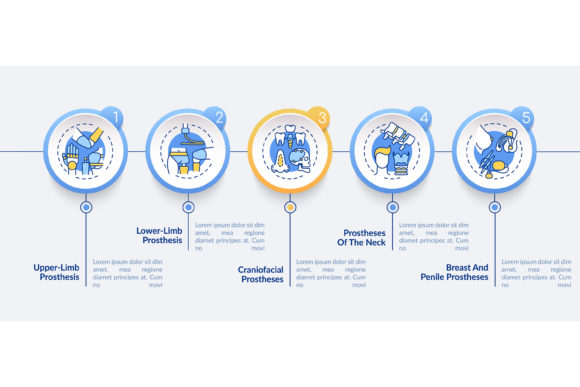
Opening Implants Types Vector Infographic feels like stepping into a well-organized medical education studio—clean, precise, yet surprisingly approachable. The linear icons for neck and breast prostheses avoid cold sterility; instead, they use soft curves, balanced negative space, and subtle visual rhythm to suggest care and empathy. This isn’t clinical clipart—it’s a graphic design asset built for real-world storytelling: think boutique wellness brands, post-surgery support communities, or handmade apparel lines centered on body positivity. Its five-step data visualization reads as both educational and emotionally grounded—ideal for clients who need to communicate complex health topics without overwhelming their audience.
Where It Shines in Real Client Projects
I recently used Implants Types Vector Infographic for an Etsy shop launching a capsule collection of recovery-themed tote bags and printable affirmation cards. The workflow layout translated beautifully onto product mockups—especially when layered over textured linen backgrounds or paired with muted sage and terracotta palettes. It performed exceptionally well across:
- Packaging design: Printed cleanly on kraft mailer inserts and sticker sheets (tested at 2" width—no icon loss)
- Social media graphics: Scaled effortlessly into Instagram carousels and Pinterest pins with clear visual hierarchy
- Printable design: Rendered crisply at 300 DPI for A4 wall art and therapy office handouts
- Cricut project: Imported as SVG into Design Space with full layer control—perfect for vinyl decals on journals or ceramic mugs
- Brand identity: Used as a supporting element in a small business branding suite—not as a logo, but as a trusted visual anchor across web banners and email headers
Natural Fit for Handmade Business & Niche Marketing Visuals
This is not a generic stock graphic. Its specificity—neck and breast prostheses presentation design elements—makes it unusually valuable for handmade business owners serving underserved audiences: certified lymphedema therapists, mastectomy fitters, holistic rehab coaches, and inclusive lingerie designers. In editorial design or blog visuals, it adds credibility without jargon. As a digital product, it elevates Canva templates for healthcare educators or nonprofit campaign kits. For print-on-demand sellers, it works as a sublimation design on premium cotton tees—its linear style avoids ink bleed, and its mid-weight stroke holds up across fabric types.
Where to Use It Thoughtfully
Implants Types Vector Infographic excels in spacious, intentional layouts—but exercise caution in these contexts:
- Small sizes: Below 1.5" height, the 5-step labels lose legibility—avoid for app icons or tiny stickers unless simplified
- Crowded layouts: Pairing it with dense typography or photo overlays muddies its clarity—reserve it for hero graphics or standalone campaign visuals
- Minimalist branding: Its gentle detail may clash with ultra-sparse identities relying solely on negative space and monoline icons
- Corporate healthcare materials: While professional, it leans toward empathetic modern design—not boardroom-ready austerity
Design Judgment: Hierarchy, Trust & Emotional Resonance
What makes this more than just another SVG design? It builds visual trust through consistency: uniform stroke weights, aligned baselines, and proportional spacing between steps reinforce reliability. When placed beside serif fonts (e.g., Playfair Display), it grounds messaging with quiet authority; with rounded sans serifs (e.g., Quicksand), it softens into approachability. I tested it against script and handwritten fonts—it harmonizes best with restrained, legible scripts (not overly flourished ones). Its emotional appeal lies in balance: informative enough for clinical accuracy, warm enough for human connection. That duality strengthens audience engagement—especially for audiences navigating sensitive life transitions.
Practical Designer Notes Before Client Use
Before dropping Implants Types Vector Infographic into a live project, I always run these checks:
- Preview in black and white to confirm icon distinction and label contrast
- Test on both light and dark backgrounds—its mid-tone vectors hold up, but verify PNG transparency if included
- Scale it down to 72 DPI (for web) and up to 300 DPI (for print)—inspect edge smoothness and text rendering
- Drop it onto realistic product mockups: ceramic mugs, matte paper stickers, woven tote bags
- Confirm commercial license covers your client’s use case—especially for digital resale, subscription content, or POD platforms
- Compare vector editability: open the SVG in Illustrator to check grouped layers, unlinked paths, and editable text fields
- Check compatibility with your tools—verified working in Canva Pro, Affinity Designer, Cricut Design Space, and Figma
A Strategic Creative Asset—Not Just Decoration
In my decade of crafting commercial design for small businesses, I’ve learned that the strongest assets don’t shout—they clarify, comfort, and connect. Implants Types Vector Infographic does exactly that. It’s not filler. It’s functional storytelling. Whether anchoring a seasonal campaign for a local wellness fair, supporting an Etsy product launch, or adding depth to a nonprofit’s annual report, it brings intentionality to data visualization. For designers sourcing from creative marketplaces, this is the kind of design bundle that saves hours while raising perceived value—because when your client sees how thoughtfully their message is visualized, they don’t just approve the design. They feel understood.