Microplastics Sources Vector Infographic: Graphics & Infographics
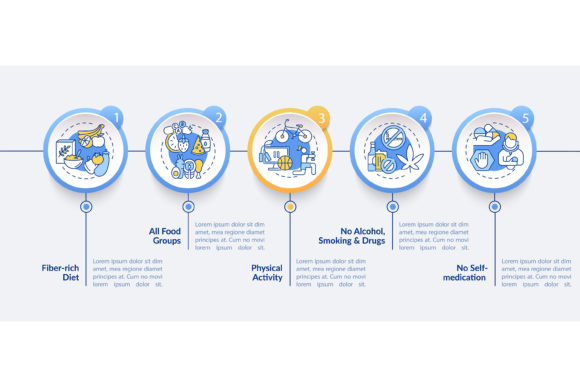
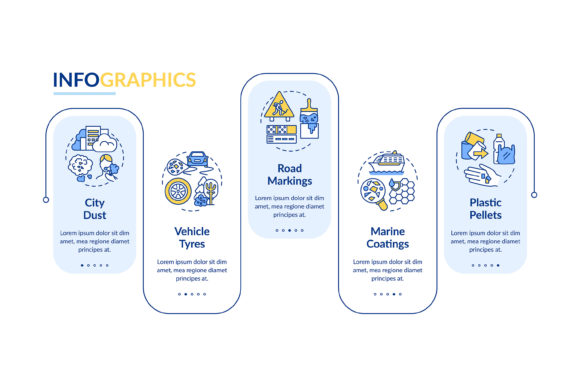
As a brand designer who’s helped over 80 local businesses—from zero-waste soap makers in Portland to ceramic studios in Asheville—build cohesive, shelf-ready identities, I opened the Microplastics Sources Vector Infographic expecting clinical data visuals. Instead, I found something unexpectedly versatile: a clean, linear workflow layout with subtle city-dust texture, five distinct process steps rendered in soft-edged linear icons, and a quiet sense of urgency that never veers into alarmism. It feels modern but grounded—neither sterile nor overly decorative. For a small business owner choosing design assets, this isn’t just “infographics”—it’s a ready-made visual anchor for values-driven storytelling.
A Local Skincare Brand’s First Impression Test
We recently used the Microplastics Sources Vector Infographic as a core graphic design asset for a handmade skincare line launching refillable glass jars. Their mission centers on ocean-safe formulations and transparent sourcing—so the infographic wasn’t just decoration; it became part of their brand identity. Printed at 30% scale on matte kraft hang tags, the linear icons translated beautifully: clear, legible, and emotionally resonant. The muted palette (soft greys, slate blue, warm taupe) harmonized with their earthy brand colors without competing. Customers noticed it immediately—not as data, but as proof of intention. That’s the power of a well-chosen graphics asset: it builds trust before a single ingredient is read.
Where This Infographic Earns Its Place in Real Business Design
The Microplastics Sources Vector Infographic shines where clarity meets quiet advocacy. Here’s how it functions across real small business touchpoints:
- Packaging design: As a subtle background element on product labels or as a focal strip on box flaps—especially effective for eco-conscious food brands, children’s product lines, or refill stations.
- Social media graphics: Easily cropped into step-by-step Reels carousels or Instagram Stories explaining “why our packaging is plastic-free.” Works seamlessly in Canva templates or native design tools.
- Printable inserts: Fits perfectly inside thank-you cards or order slips—adding educational weight without cluttering the message.
- Seasonal campaign visuals: Paired with botanical illustrations or hand-drawn typography, it elevates Earth Day promotions, back-to-school sustainability kits, or summer beach cleanup collabs.
- Product mockup accents: Layered behind hero product photos on websites or Etsy banners—adds depth and narrative without overwhelming the item itself.
What It Does for Your Brand Identity—Beyond Aesthetics
This isn’t clipart. When integrated thoughtfully, the Microplastics Sources Vector Infographic strengthens your small business branding by:
- Creating a stronger first impression—customers instantly recognize your commitment to transparency;
- Improving product recognition—consistent use across labels, stickers, and digital ads builds visual memory;
- Supporting clearer visual hierarchy—its structured 5-step layout guides the eye naturally;
- Reinforcing consistent brand identity—especially when paired with your primary typeface and color system;
- Increasing customer trust—data-informed design signals credibility, not just aesthetics;
- Boosting shelf appeal—clean, intentional graphics stand out beside generic stock imagery;
- Fostering emotional connection—subtle environmental messaging resonates deeply with conscious local shoppers.
Where to Use It Thoughtfully—and Where to Pause
It works best as a supporting actor—not the lead. Ideal placements include:
- Product labels (as a border or secondary panel);
- Packaging accents (box lids, tape seals, ribbon wraps);
- Hero graphics for web banners or pop-up shop signage;
- Decorative brand elements on reusable tote bags or compostable mailers;
- Social media campaign graphics—especially for educational or cause-aligned content.
Use with caution in:
- Formal corporate branding (e.g., law firms or financial advisors);
- Very small labels (<1.5” height)—icons lose definition in JPG format;
- Crowded packaging layouts where text density is high;
- Ingredient-heavy formats—this isn’t an editorial design asset for dense regulatory copy;
- Low-contrast backgrounds—test print output carefully, especially on recycled paper;
- Luxury minimalist brands—its gentle structure reads as approachable, not austere;
- Any context where decoration competes with essential information like allergens or usage instructions.
Practical Brand Designer Notes You’ll Actually Use
Before committing this infographic to your next project, run these checks:
- Test it on real packaging mockups—not just screen previews;
- Convert to black and white: does the workflow remain legible? (Crucial for stamping or foil debossing);
- Preview at actual label size—some linear icons blur below 24pt in JPG;
- Layer it over your brand colors: does contrast hold? Try both light and dark mode variants;
- Compare side-by-side with competitor packaging—does it elevate, not echo?
- Check print quality: request a physical proof if ordering bulk runs;
- If you need transparency, confirm PNG version availability—JPG lacks alpha channels;
- Test alongside your full type system: serif, sans serif, script, handwritten, and display fonts all interact differently with linear iconography;
- Verify commercial license terms—especially for physical product sales, client work, or subscription-based printable design bundles.
For creative entrepreneurs building authentic local business brands—whether you’re bottling cold-pressed juice in Brooklyn or hand-pouring soy candles in Nashville—the Microplastics Sources Vector Infographic isn’t just another download from a creative marketplace. It’s a quietly powerful tool: a bridge between purpose and presentation, data and design, responsibility and resonance. Used with intention, it helps your small business say what matters—without saying a word.