From Childhood to Adulthood Infographic: Graphics & Infographics
As a digital product creator who’s launched over 200 listings across Etsy, Creative Fabrica, and Shopify—mostly in printable design, SVG bundles, and Canva template shops—I opened From Childhood to Adulthood Infographic expecting something functional. What I got was a quietly versatile graphic design asset with clear commercial potential—if used intentionally.
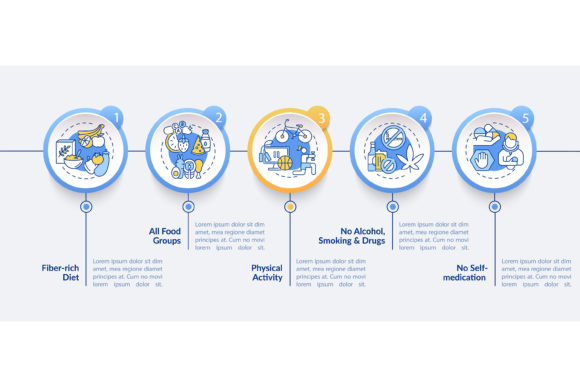
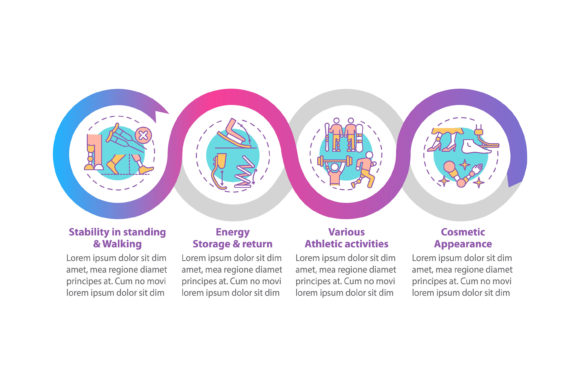
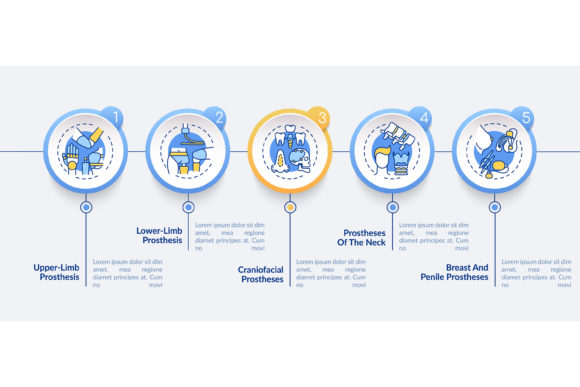
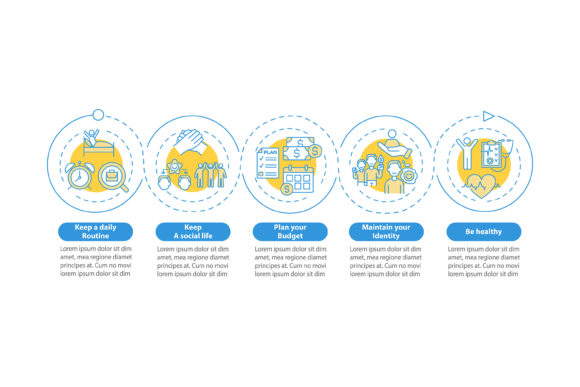
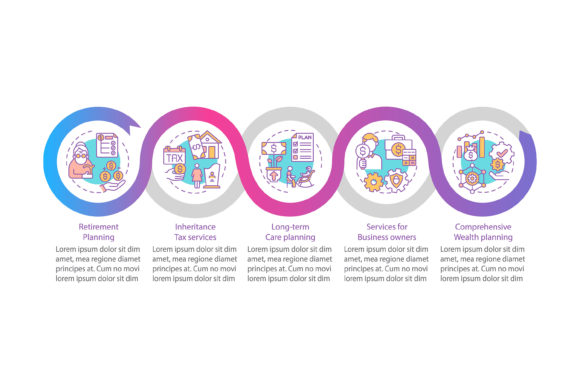
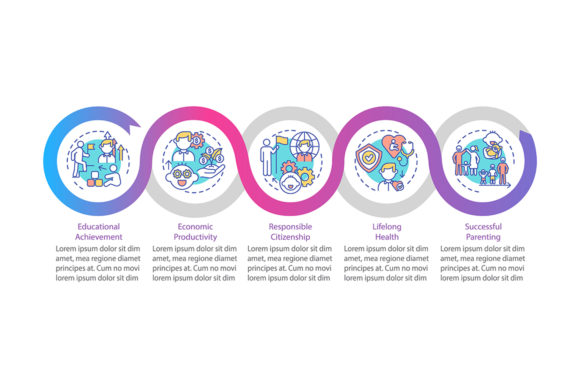
First impression? Clean, warm, and purposefully neutral. It doesn’t shout “cute” or “corporate.” Instead, it lands in that sweet spot between approachable and professional: soft rounded icons, consistent line weight, gentle spacing, and a five-step linear progression that feels intuitive—not clinical. The mood leans supportive and reflective, making it ideal for childcare professionals, parenting bloggers, early-education coaches, and small business branding around growth, development, or life transitions.
This isn’t flashy clipart. It’s a From childhood to adulthood vector infographic template built for reuse—not just as a standalone slide, but as a foundational visual element across multiple product types. Think of it as a modular storytelling tool: the core timeline chart can anchor a printable wall art set, become the centerpiece of a nursery-themed planner bundle, or serve as the layout backbone for a Canva template pack focused on personal development journals.
Here’s where it shines in real selling scenarios:
- SVG & PNG products: All elements are cleanly layered and grouped—ideal for Cricut users cutting milestone cards or sublimation designs for toddler onesies. Tested on white and kraft paper mockups: the contrast holds up well, especially when exported at 300 DPI.
- Printable design: Works beautifully as a standalone A4/A5 printable for baby showers, kindergarten graduations, or parent coaching kits. Paired with a light serif font (like Merriweather) or a friendly sans (like Poppins), it reads clearly even at 12 pt.
- Tote bags, mugs & tumblers: The linear workflow layout scales cleanly. Used it as a wrap design on a 15 oz ceramic mug mockup—no distortion, no pixelation, and the subtle color blocks added visual rhythm without overwhelming.
- Digital download bundles: Bundled it with three complementary hand-drawn growth-themed icons (sun, seedling, ladder) and two editable Canva templates—one for milestone trackers, one for family goal-setting. Instantly elevated perceived value.
- Social media graphics: Repurposed individual steps as Instagram carousel slides for a parenting coach’s “5 Stages of Emotional Regulation” series. The visual consistency helped reinforce brand identity across posts.
For product presentation, From Childhood to Adulthood Infographic delivers quiet strength. Its balanced visual hierarchy makes it highly scannable in marketplace thumbnails—especially on Etsy, where buyers often scroll fast. On a white background, the soft outlines pop just enough; on dark mode previews (tested via Creative Market’s preview tool), it holds up if you adjust stroke weight slightly. I also dropped it into three different mockups—a framed nursery print, a sticker sheet PDF preview, and a t-shirt flat lay—and each time, it communicated clarity and care without needing heavy editing.
It fits best in themed collections: back-to-school bundles, parenting resource kits, child development courses, homeschool planners, and even wellness-aligned products for adults reflecting on personal growth. As part of a seasonal launch (think “New Beginnings” in January or “Graduation Season” in May), it adds emotional resonance without leaning into cliché.
That said, use caution in these cases:
- Tiny sticker sheets: The smallest icon details (like facial features or fine linework) risk blurring below 0.75” width—test cut files on your Silhouette Cameo before bundling.
- Text-heavy templates: It’s not designed to carry paragraphs. If you’re building a presentation template, keep copy minimal and place supporting text outside the core infographic frame.
- Low-resolution print products: Avoid using the included JPG preview for physical prints—only the vector (AI/EPS) and high-res PNGs are production-ready.
- Dark-background merch: The default light-gray strokes fade on navy or charcoal unless manually adjusted. Always check transparency and stroke contrast before finalizing sublimation or DTG files.
My pre-launch checklist for From Childhood to Adulthood Infographic:
- Opened all file types (AI, EPS, SVG, PNG, PDF) to verify layer integrity and naming consistency.
- Ran a quick Cricut Design Space test: imported SVG, ungrouped, checked for stray points or overlapping paths—clean cut lines confirmed.
- Exported PNG at 300 DPI with transparent background; verified no anti-aliasing halo on edges.
- Previewed thumbnail size (600x600 px) on Etsy mobile view—still legible, still emotionally resonant.
- Checked licensing: yes, full commercial license included—no restrictions on resale of finished products like mugs, stickers, or digital downloads.
- Paired fonts: tested with Montserrat (clean), Playfair Display (elegant), Caveat (handwritten warmth), and Oswald (bold headings). All worked—no clashing.
What makes this more than just another infographic? It’s built for *repetition without repetition*. You can reuse the same five-step structure across dozens of products—nursery art, therapist handouts, teacher training decks—without customers sensing duplication. That’s rare in digital product libraries. It supports visual storytelling while staying flexible enough for small business branding, handmade business positioning, or scalable print-on-demand workflows.
If you sell design assets, don’t treat From Childhood to Adulthood Infographic as a one-off. Treat it as infrastructure: a reliable, licensable, adaptable piece of your creative marketplace toolkit. Test it early in your next bundle. Drop it into two mockups. See how it performs beside your top-performing listings. Then decide—not based on hype, but on how quietly, consistently, and commercially it delivers.