Greenhouse Effect Vector Infographic Graphics
A Visual Tool for Climate Awareness in Branding
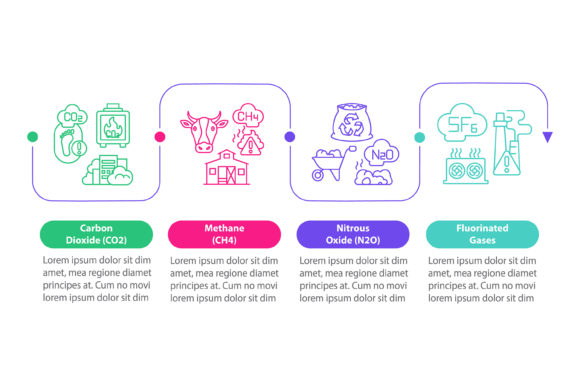
The Greenhouse Effect Vector Infographic makes a strong first impression with its clean, structured layout and thematic focus on environmental impact. The design feels modern yet approachable, blending educational content with visual clarity. It’s a graphic design asset that immediately conveys the message of climate change through a data visualization approach, making it ideal for brands or campaigns that aim to raise awareness about sustainability.
Design Style and Mood
This infographic template leans into a minimalistic, informative style that emphasizes readability and visual flow. The use of line icons and a four-step process timeline creates a sense of progression, guiding the viewer through the concept of greenhouse gases like CO2 and methane. The overall mood is professional but not overly technical, which makes it versatile for both educational and marketing purposes.
Fitting Projects and Client Needs
As a designer working with small businesses or handmade brands, I often look for creative design assets that can support a campaign or product launch. The Greenhouse Effect Vector Infographic would be a great fit for an Etsy shop selling eco-friendly products or a local event focused on sustainability. It could also work well as part of a seasonal campaign, such as Earth Day or World Environment Day, where visual storytelling plays a key role.
For a boutique product line centered around environmental consciousness, this infographic could serve as a core visual element. It can be used across various platforms, from social media graphics to packaging design, helping to maintain brand identity while delivering clear, impactful messaging.
Where It Works Best
The Greenhouse Effect Vector Infographic shines in large layout areas, such as hero graphics for websites or posters. Its structured format makes it suitable for product mockups and printable designs, especially when used as a decorative accent or thematic element. It also works well in themed collections, such as a series of infographics for a sustainability-focused blog or editorial design project.
In terms of commercial design, this asset is excellent for social media graphics, Canva templates, and Cricut projects. It can easily be adapted into sticker designs, t-shirt prints, or even sublimation designs, offering versatility for both digital and print-on-demand ventures.
Where to Use with Caution
While the Greenhouse Effect Vector Infographic is highly functional, there are scenarios where it may not perform as well. In small sizes, such as icons or text elements, the design can lose clarity, so it's important to test it at different scales. Crowded layouts or complex backgrounds may also dilute its effectiveness, making it less suitable for minimalist branding or corporate materials that require a very clean visual hierarchy.
Additionally, the infographic’s informational nature means it might not be the best choice for projects that prioritize pure aesthetics over data-driven storytelling. For example, a luxury brand aiming for a more abstract or artistic visual identity might find this asset too literal or instructional.
Impact on Design Quality
Using the Greenhouse Effect Vector Infographic can significantly enhance the readability and visual trust of a design project. Its clear structure supports brand consistency, especially when used across multiple touchpoints like packaging design, website graphics, and marketing visuals. The emotional appeal of the design helps create a stronger connection with the audience, particularly for campaigns targeting environmentally conscious consumers.
From a professional standpoint, this infographic contributes to a polished, modern look that aligns with current design trends. It offers a balance between educational value and aesthetic appeal, making it a valuable addition to any creative marketplace portfolio.
Designer Notes for Commercial Use
Before incorporating the Greenhouse Effect Vector Infographic into a client project, it’s essential to test it in black and white to ensure contrast and legibility. Previewing the design on light and dark backgrounds will help confirm its adaptability across different mediums. Testing at small and large sizes ensures scalability, while placing it on real mockups helps gauge how it integrates with other design elements.
When using this asset for print, check the file formats and inspect PNG transparency if included. SVG editability is a plus for customizing the design further. Comparing it with various font styles—such as serif, sans serif, script, or handwritten fonts—can help determine its compatibility with different brand identities.
Finally, always confirm the commercial license before using it for a client or business project. This ensures legal compliance and protects both the designer and the client from potential issues.
Conclusion
The Greenhouse Effect Vector Infographic is a powerful graphic design asset that offers both practicality and creativity. Whether used for branding, marketing visuals, or editorial design, it provides a clear, engaging way to communicate complex ideas. With careful consideration of its strengths and limitations, this design can elevate a wide range of projects, from small business branding to large-scale campaigns. It’s a versatile tool that fits well within the modern design landscape, making it a worthwhile addition to any designer’s toolkit.