Personal Branding Components Graphics for Local Business Design
A Fresh Start for Small Business Branding
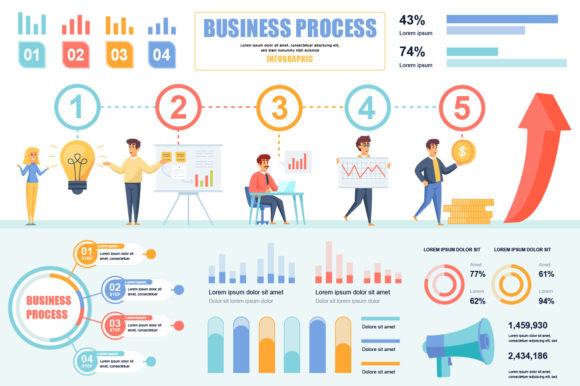
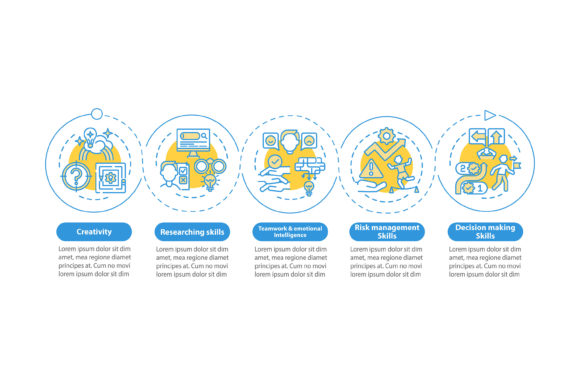
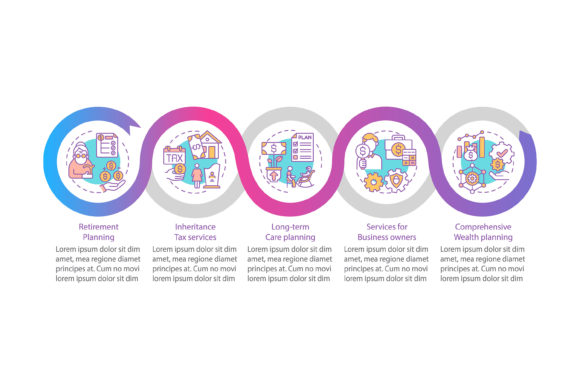
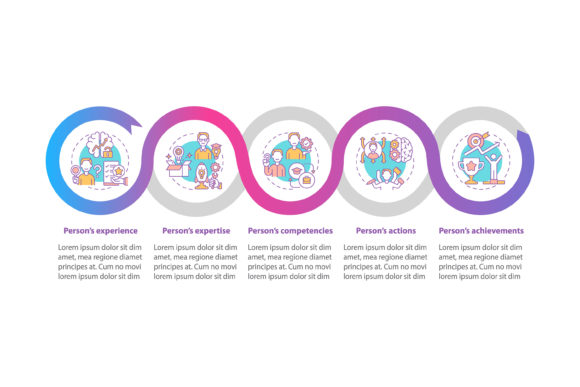
The first impression of Personal Branding Components is clean, structured, and modern. It feels like a tool designed for clarity and precision—perfect for small businesses that want to communicate their brand story with confidence. The template’s use of linear icons and a five-step process timeline suggests a methodical approach to branding, which aligns well with local business owners looking to build a consistent and professional brand identity.
Designing for the Bakery: A Real-World Use Case
I recently used Personal Branding Components while designing visuals for a new bakery in downtown. The template’s workflow layout and data visualization elements were ideal for creating a visual brand journey that customers could follow—from sourcing ingredients to baking the final product. This helped reinforce the bakery’s commitment to quality and craftsmanship.
The infographic-style design also worked well as a brand identity guide. I used it to create a logo design that reflected the bakery’s personality—warm, inviting, and artisanal. The template’s modular structure allowed me to adapt it into various formats, including social media graphics, menu layouts, and printable inserts.
Supporting Brand Presentation and Customer Trust
Personal Branding Components can significantly enhance small business branding by providing a cohesive visual language. Its structured format supports stronger first impressions, clearer visual hierarchy, and more consistent brand identity. For instance, using the timeline chart on a product label or packaging accent can help customers understand the value behind the product, fostering trust and emotional connection.
The template’s versatility makes it an excellent resource for packaging design, product labels, and promotional materials. Whether it's a thank-you card, a seasonal campaign graphic, or a website banner, Personal Branding Components offers a reliable foundation that aligns with both digital and print-based marketing needs.
Where It Shines: Packaging and Promotional Visuals
Personal Branding Components excels in areas where clarity and visual storytelling are key. It works best as a product label element, a packaging accent, or a decorative brand element. For example, using the workflow layout on a product mockup or printable design can elevate the overall look of a handmade soap or candle brand.
It also shines in social media graphics and marketing visuals. The template’s linear icons and data visualization style make it easy to convert into eye-catching content for Instagram, Facebook, or Pinterest. Its clean aesthetic supports both modern design and editorial design applications, making it a valuable asset for creative entrepreneurs and local brand owners.
When to Use It Carefully
While Personal Branding Components is versatile, it’s not always the best fit for every project. In formal corporate branding or luxury minimalist designs, its structured and detailed nature might feel too busy. Similarly, on very small labels or crowded packaging, the template’s elements could compete with important text.
It’s also worth considering when working with brands that rely heavily on ingredient lists or legal information. In such cases, the template’s decorative elements might overshadow critical details. Always test the design on real packaging mockups and ensure it maintains readability and professionalism in all contexts.
Practical Brand Designer Notes
As a brand designer, I recommend testing Personal Branding Components on actual packaging mockups to see how it performs in real-world conditions. Check black and white usage, preview it on small labels, and test it with your brand colors. Comparing it to competitor packaging can also help you gauge its market appeal.
Ensure that the SVG design or PNG design is editable and compatible with your design software. Confirm that you have a commercial license before using it for client work or physical product sales. Also, inspect the transparency and file format to ensure it meets your project’s requirements.
Finally, test the template beside different font styles—serif, sans serif, script, and display fonts—to ensure it complements your brand’s typography. A well-designed graphic design asset should support, not overpower, the overall brand message.