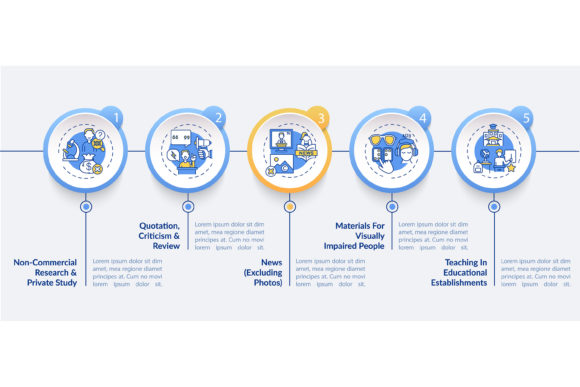
Exclusions to Copyright Vector Template: Graphics & Infographics
As a handmade business owner who’s shipped over 12,000 custom stickers, planner kits, and sublimation mugs since 2019—and designed every single Cricut project in-house—I opened Exclusions to Copyright Vector Template expecting something dry. Instead, I got a surprisingly versatile, clean, and quietly confident graphic design asset that fits right into my workflow for real-world crafting—not just theory.
First impression? It feels elegant but approachable: crisp linear icons, balanced white space, and a subtle academic-meets-creative energy—think “thoughtful maker” rather than “law firm brochure.” It’s not cute or festive, but it *is* premium-feeling, minimal, and highly legible. That makes it ideal for customers who value clarity and intention—teachers, writers, small business coaches, planners, and crafters building thoughtful branding around learning, growth, or creative process.
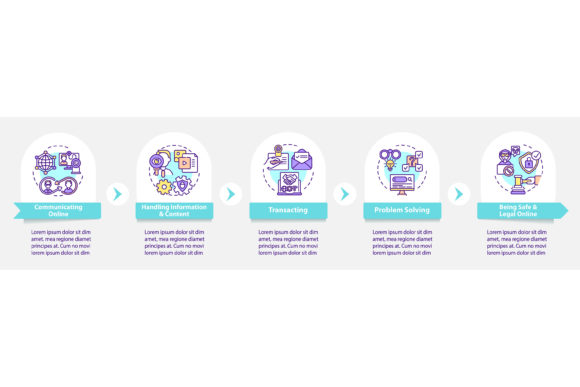
I immediately used Exclusions to Copyright Vector Template to refresh my best-selling “Creative Rights Bundle” on Etsy—a digital product for fellow handmade sellers learning about copyright basics. I layered its 5-step process timeline into printable wall art for craft fair booths, resized the SVG design for vinyl-cut gift tags (paired with a clean sans serif font), and dropped the PNG design into tumbler wrap mockups for Instagram listings. It worked seamlessly across all formats—no jagged edges, no stray anchor points, and full transparency preserved.
Where this infographic shines in real crafting:
- Cricut & Silhouette projects: The vector paths are smooth and well-grouped—ideal for cutting vinyl, iron-on, or HTV. I ran it through Design Space at 4.2" wide for mug decals and it cut cleanly on both Premium Vinyl and EasyWeed.
- Sticker design: Perfect for planner sticker sheets—especially as a “process reminder” or “copyright awareness” accent. At 1.8", the linear icons stay sharp on kiss-cut sticker paper.
- Printable design: Its clean layout prints crisply at any size—from A5 gift tags to 12x18" poster-style wall art. I added soft watercolor textures behind it for a handmade touch, and it held up beautifully.
- Sublimation design: Tested at 300 DPI on a 10x10" tumbler wrap—no pixelation, no color bleed. Works especially well on light-colored blanks where readability matters most.
- Small business branding: Used one icon set as a subtle watermark on my shop’s thank-you cards and packaging inserts. Feels professional without shouting.
Where to use Exclusions to Copyright Vector Template carefully:
- Avoid ultra-small cuts: Below 0.75", some of the finer timeline connectors begin to lose definition—stick to 1" minimum for vinyl or iron-on.
- Don’t layer it over busy backgrounds: Its strength is clarity, so skip placing it directly over textured scrapbook paper or patterned sublimation blanks unless you add a subtle drop shadow or solid background shape first.
- Test contrast on dark products: The default grayscale version reads clearly on white mugs or totes—but if using on black shirts or navy tumblers, boost contrast or add a white outline stroke in your editing software.
- Not ideal for multi-layer vinyl: This isn’t a layered “shadow” or “glow” design—it’s a flat, single-color-ready workflow layout. Great for monochrome cuts, less so for complex stacked vinyl builds.
Here’s what I always check before adding any graphic design asset—including Exclusions to Copyright Vector Template—to customer orders or shop collections:
- SVG integrity: Open in Inkscape or Illustrator—look for ungrouped paths, stray points, or compound shapes that might confuse Cricut Design Space.
- PNG transparency: Preview against black and white backgrounds to confirm clean edges and no hidden white halos.
- Resolution for sublimation: Confirm it’s 300 DPI at intended print size—this one passed easily.
- Color accuracy: Soft-proof in CMYK if printing physical goods; test swatches on your actual printer or POD partner.
- Licensing clarity: Double-check the commercial license permits use in digital products (like printable bundles) and physical handmade goods sold on Etsy or at craft fairs—this one does, with clear attribution not required.
- Mockup realism: Drop it onto real product mockups—not just generic templates—to see how scale, placement, and context affect buyer perception.
Font pairing matters more than most crafters realize. For Exclusions to Copyright Vector Template, I’ve found these work consistently well:
- Serif fonts (e.g., Playfair Display): Elevates it for educational printables or boutique packaging.
- Sans serif fonts (e.g., Montserrat, Inter): Keeps it modern and accessible—perfect for Cricut shirt designs or digital course handouts.
- Handwritten fonts (used sparingly, e.g., for a title overlay): Adds warmth without undermining its professional tone.
- Avoid script fonts in body text: Its data-driven nature needs legibility first—save flourishes for accents only.
This isn’t just another clipart download. Exclusions to Copyright Vector Template is a rare hybrid: an infographic built for function *and* a graphics asset built for craft. It slots naturally into seasonal craft bundles (I’m adding it to my upcoming “Back to Business” collection for makers launching fall shops), supports consistent small business branding, and adds quiet authority to any handmade product that values clarity, ethics, or education.
If you sell printable designs, run a Cricut-based side hustle, manage an Etsy shop full of planner stickers or sublimation goods, or design custom gifts for local markets—you’ll find Exclusions to Copyright Vector Template earns its place in your design bundle library. Not because it’s flashy, but because it works: cleanly, reliably, and thoughtfully—just like good handmade business should.