Sources of Clean Energy Infographic
A Designer’s First Look: Clean, Calm, and Purposeful
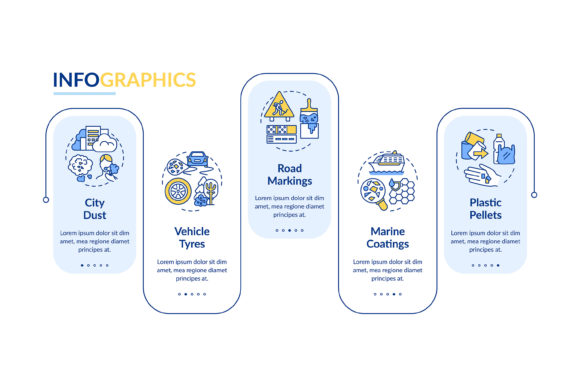
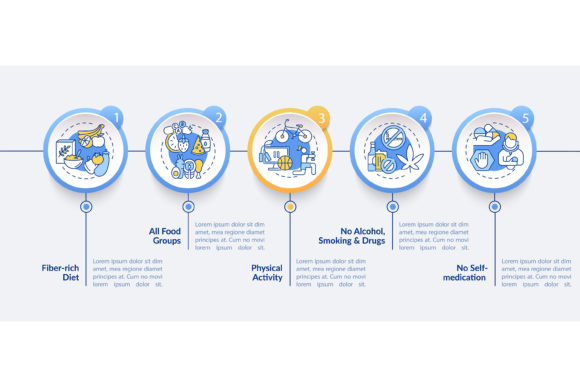
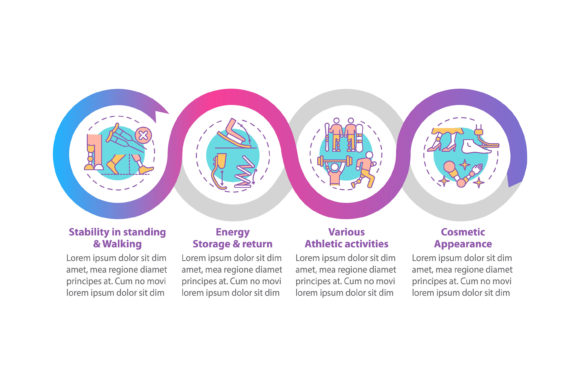
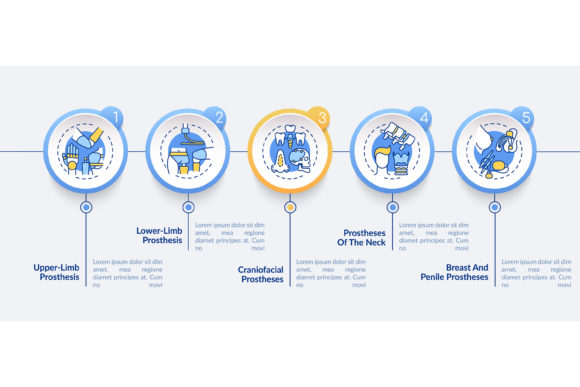
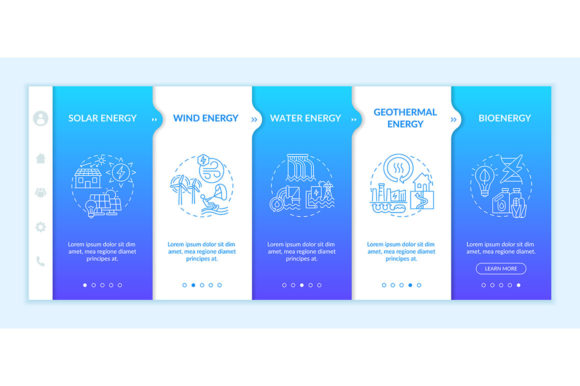
When I opened Sources of Clean Energy Infographic, my immediate thought wasn’t “Oh, another eco-chart.” It was, “This feels like a quiet conversation—not a lecture.” The layout breathes. Five clear steps flow left to right with soft radiation motifs and subtle electric accents—no jagged edges, no visual noise. Linear icons are minimal but distinct: solar panel, wind turbine, water drop, leaf, and grid symbol. It’s not playful or whimsical; it’s grounded, thoughtful, and gently optimistic. That tone matters deeply when translating into embroidery—it means the design won’t compete with fabric texture or overwhelm a small hoop. It belongs on a linen tea towel for a sustainable kitchen brand, a cotton baby onesie for an eco-conscious boutique, or a structured canvas tote for a local co-op.
How It Translates to Real Embroidery Projects
I tested Sources of Clean Energy Infographic as a machine embroidery design on three real-world items: a medium-weight organic cotton tote, a midweight unstructured sweatshirt, and a 100% cotton kitchen towel. On the tote, the linear workflow read cleanly at 4.5 inches wide—ideal for center-chest placement. The icons held shape without over-stuffing the fill stitch areas. On the sweatshirt, I used lightweight cutaway stabilizer and reduced density slightly in the radiation arcs—those curved elements respond well to satin stitch if digitized thoughtfully, but avoid heavy fill stitch there unless your file includes optimized underlay. The towel was the real litmus test: tight weave, low drape, zero stretch. Every icon remained legible, and the five-step timeline stayed crisp—even the smallest text (if included in your version) stayed readable at 3.75 inches wide.
This isn’t a design that shouts. It invites pause. That makes it unexpectedly strong for personalized gifts—like a custom embroidered pillow cover for a new homeowner who installed solar panels, or a baby embroidery piece for a nursery themed around stewardship. As an Etsy seller, I’d pair it with a short story card: “Stitched with intention. Inspired by real choices.” That authenticity lifts perceived value far more than flashy execution ever could.
Where It Shines—and Where to Pause
Sources of Clean Energy Infographic excels on stable, medium-to-heavy fabrics: denim aprons, twill caps, canvas pouches, and woven blankets. Its clean lines and generous negative space prevent crowding, even at modest sizes (3–5 inches). It works beautifully as an embroidered patch—especially when backed with iron-on fusible web for craft fair sales. For holiday embroidery? Think minimalist tree skirt accents or reusable gift wrap tags stitched onto muslin.
But be mindful: this design isn’t built for ultra-fine detail on tricky substrates. Avoid it on thin jersey tees without heavy stabilizing—it lacks the bold contrast needed to punch through stretch. On dark fabric, confirm thread colors are high-contrast (e.g., ecru or mint over navy); soft pastel threads may disappear. Curved surfaces like baseball caps require careful hooping—the linear flow can distort if not centered precisely. And while the icons are simple, tiny corners (like the tip of the wind turbine blade) may feather or blur on dense, napped fabrics like fleece unless your embroidery file includes proper pull compensation.
What It Adds to Your Finished Product—Beyond Aesthetics
Using Sources of Clean Energy Infographic elevates more than appearance—it strengthens trust. Customers recognize intentionality. A handmade product with this design signals awareness, care, and alignment—not trend-chasing. That builds repeat business, especially among educators, sustainability consultants, and wellness-focused brands ordering custom apparel or boutique merchandise. Visually, it balances professionalism and warmth—no sterile clipart energy, no cutesy overload. That balance makes it versatile across age groups and contexts: from a teen’s eco-activist sweatshirt to a retirement gift for a lifelong utility engineer.
For digital product sellers, this is solid design assets material—but only if licensing permits commercial use. Always verify whether the vector file allows resale of finished embroidered items or printable mockups. If you’re bundling it into a “Green Living” embroidery collection for Etsy, clarity here protects your shop long-term.
Practical Notes Every Embroidery Designer Should Check
- Test the design on scrap fabric *first*—especially if using textured or dark cloth.
- Review stitch density: lower density often reads cleaner on natural fibers.
- Confirm hoop size compatibility—this layout prefers 4×4 or larger for full clarity.
- Inspect small details in black-and-white mockups; what looks fine on screen may vanish in thread.
- Compare light and dark fabric backgrounds side-by-side before finalizing thread colors.
- Use appropriate stabilizer: cutaway for knits, tear-away for stable wovens, and mesh for towels.
- Check whether the embroidery file supports both personal and commercial embroidery projects—or if separate licensing applies.
- If offering as part of a craft business or small shop product line, ensure your vendor provides clear usage terms for the digital embroidery file.
Final Thought: A Quiet Design That Carries Weight
Sources of Clean Energy Infographic doesn’t try to do everything. It does one thing well: communicate clarity, progress, and care—visually and quietly. In embroidery, where every stitch carries weight and every thread tells a story, that restraint is rare and valuable. It’s the kind of design that makes a customer pause mid-scroll, then click “add to cart”—not because it dazzles, but because it resonates. Whether you’re stitching a single personalized gift or scaling production for a wholesale order, this is a workhorse graphic that earns its place—not just on fabric, but in your most intentional projects.